
Bathroom Fan Wiring in Alpharetta, GA
Bathroom fan wiring services involve installing, upgrading, or repairing the electrical connections that power bathroom exhaust fans. These services typically cover projects such as adding new fans to improve ventilation, replacing outdated or malfunctioning units, and ensuring proper wiring for safety and efficiency. Homeowners often want to understand whether their existing wiring is adequate, if a dedicated circuit is necessary, or how to properly connect a fan to control switches and timers for convenient operation.
Before requesting bathroom fan wiring services, property owners should consider the location of the fan, the type of switch control desired, and the electrical system’s capacity. It’s also helpful to know if any existing wiring needs to be updated to meet current safety standards or if additional components, like GFCI protection, are required. Clear communication about the scope of the project can ensure the installation or repair meets safety guidelines and functions reliably.
Many property owners in Alpharetta, GA look into Bathroom Fan Wiring for repairs, replacements, upgrades, and appearance-related improvements.
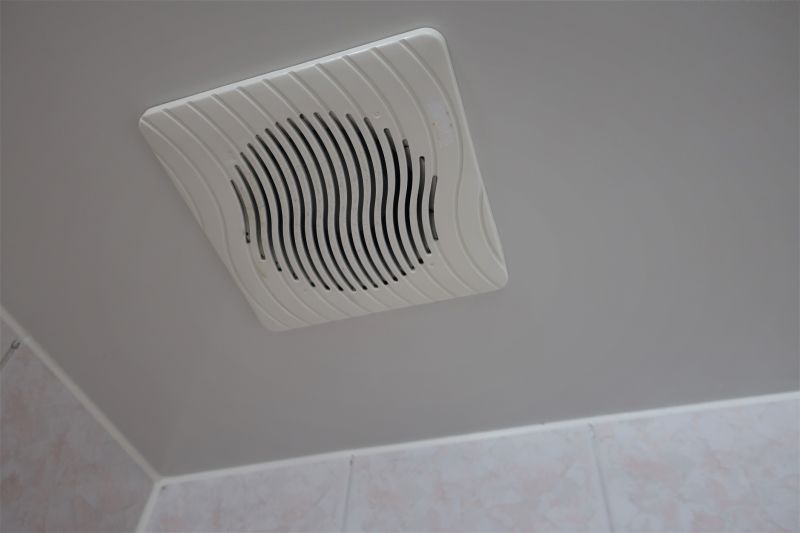
Bathroom Fan Wiring Basics
Proper wiring ensures safe and reliable operation of bathroom ventilation fans.

Upgrading Bathroom Fan Circuits
Upgrades may be needed to meet current electrical codes and improve performance.
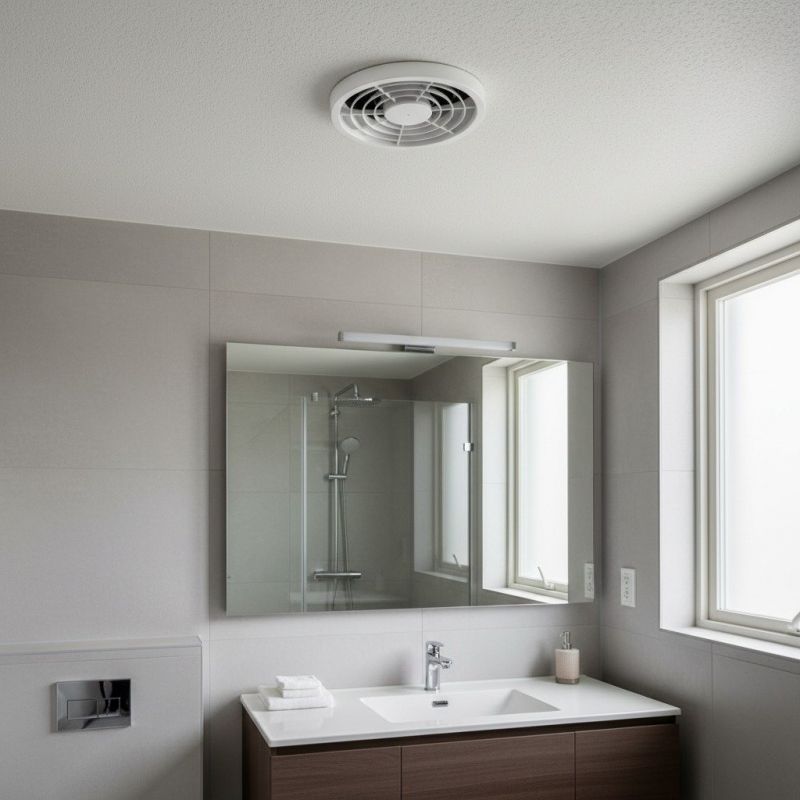
Troubleshooting Fan Wiring Issues
Diagnosing wiring problems can restore proper airflow and prevent electrical hazards in your bathroom.
Bathroom Fan Wiring in Alpharetta, GA
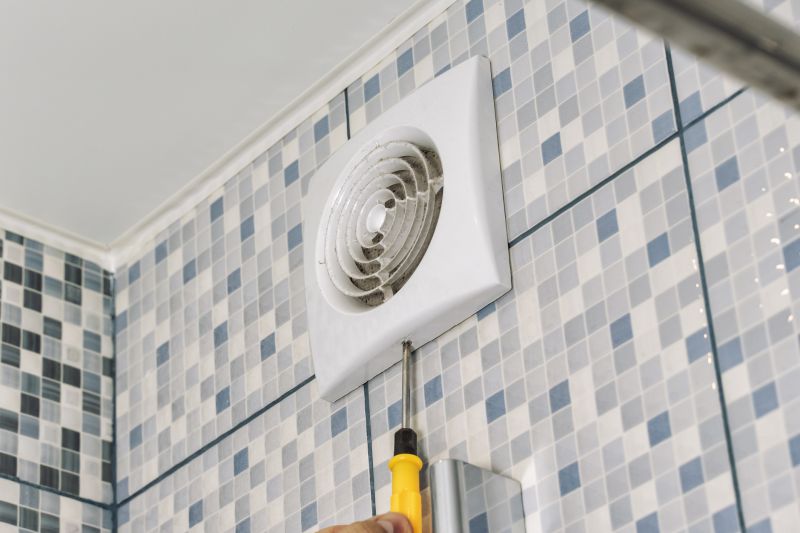
Bathroom fan wiring services involve installing, upgrading, or repairing the electrical connections that power bathroom exhaust fans. These services typically cover projects such as adding new fans to improve ventilation, replacing outdated or malfunctioning units, and ensuring proper wiring for safety and efficiency. Homeowners often want to understand whether their existing wiring is adequate, if a dedicated circuit is necessary, or how to properly connect a fan to control switches and timers for convenient operation.
Before requesting bathroom fan wiring services, property owners should consider the location of the fan, the type of switch control desired, and the electrical system’s capacity. It’s also helpful to know if any existing wiring needs to be updated to meet current safety standards or if additional components, like GFCI protection, are required. Clear communication about the scope of the project can ensure the installation or repair meets safety guidelines and functions reliably.
Many property owners in Alpharetta, GA look into Bathroom Fan Wiring for repairs, replacements, upgrades, and appearance-related improvements.
Common Bathroom Fan Wiring Jobs
Bathroom Fan Wiring - ensures proper electrical connections for bathroom ventilation fans.
Fan installation wiring - involves connecting new fans to existing electrical circuits safely.
Rewiring bathroom fans - updates outdated wiring to meet current electrical standards.
Switch and timer wiring - sets up switches and timers for convenient fan control.
Exhaust fan wiring - installs wiring for effective moisture removal in bathrooms.
GFCI outlet wiring - adds ground-fault circuit interrupters for safety near bathroom fixtures.
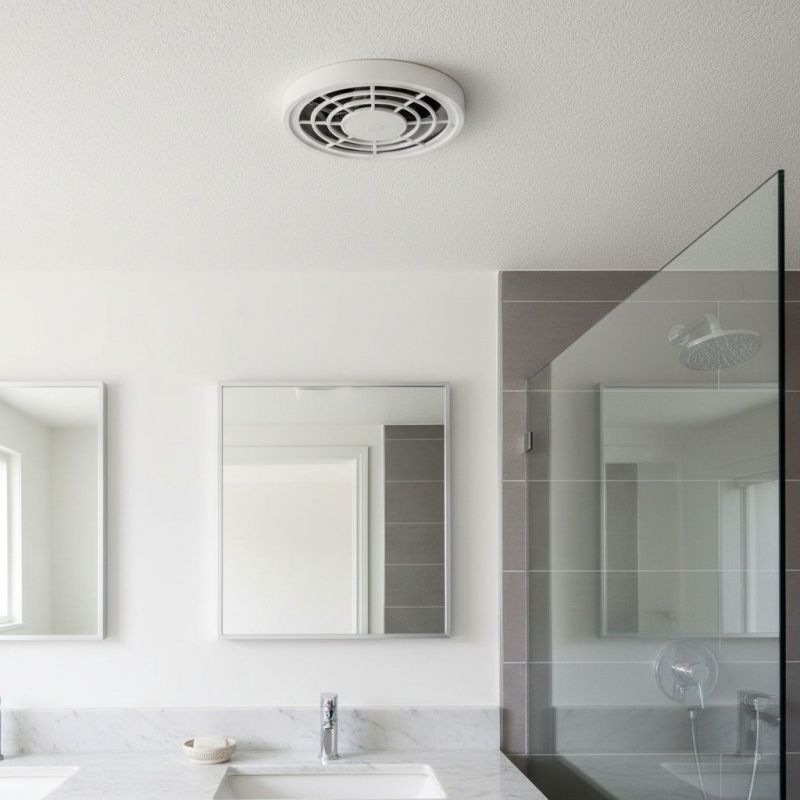
Bathroom Fan Wiring Questions
Why is bathroom fan wiring important? Proper wiring ensures the fan operates safely and efficiently, preventing electrical issues and moisture damage.
What types of wiring are used for bathroom fans? Typically, dedicated circuits or switched wiring are used to control bathroom fans safely and conveniently.
Can existing wiring be used for a new bathroom fan? Existing wiring may be suitable if it meets current electrical standards and can handle the fan's power requirements.
What should property owners consider before wiring a bathroom fan? It's important to evaluate electrical capacity, proper placement, and adherence to local electrical codes for safety and performance.
Request Bathroom Fan Wiring in Alpharetta, GA
Use the quote form on this page to share the basics of your project and request more information for the type of work you need.